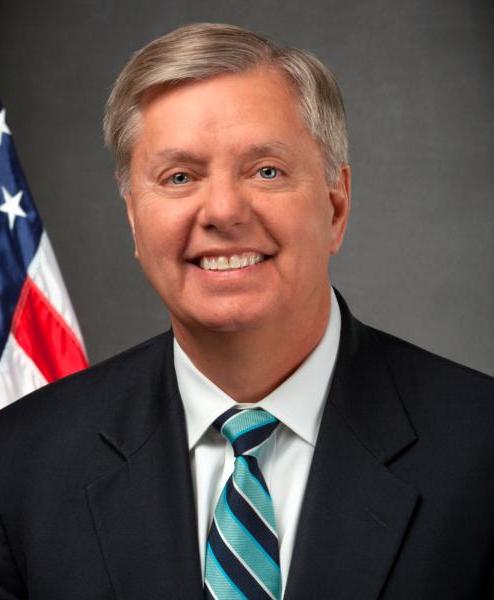
When Senator Lindsey Graham died, both Russia and Iran used the moment to score political points at home. But they did it in very different ways — and understanding how they did it tells us more than the headlines do.
Why Graham Mattered to These Countries
Graham was a thorn in both countries’ sides for years. He visited Ukraine ten times and pushed hard for U.S. support there. He also called for strikes on Iranian oil facilities and championed tough economic sanctions — the kind that cut off international companies from doing business with Iran, restricted Russia’s ability to borrow money, and targeted their energy exports.
Russia went so far as to put him on its official terrorist watchlist and issue an arrest warrant for him.
How Each Country Reacted to His Death
- Iran leaned into religion and ideology — framing his death as divine justice and a win for the region against American and Israeli power. Iranian state TV called it “sweet.”
- Russia took a more legalistic approach — using the moment to paint U.S. and Israeli military actions as “war crimes” and frame Western political pressure as criminal interference in Russian affairs.
What’s Really Going On Beneath the Surface
Both countries talk in big, moral terms — Iran about sovereignty, Russia about Western “Russophobia.” But here’s the contradiction: all that fiery language is really a cover for how economically vulnerable both countries actually are. Oil prices, energy sanctions, and debt restrictions are what genuinely threaten them — not speeches.
Their outrage isn’t just emotional venting. It’s a calculated move to fire up nationalism at home, justify their own security crackdowns, and lay the groundwork for future legal or economic countermoves.
The Bottom Line
Graham’s death doesn’t actually change the underlying pressure on either country. Russia and Iran will likely ramp up their coordinated anti-Western messaging in the short term. But the structural weaknesses — dependence on oil revenues, vulnerability to sanctions, exposure to debt markets — remain exactly the same. One senator’s absence doesn’t fix any of that.
 Writing by Dr. Dannielle Blumenthal
You must be logged in to post a comment.