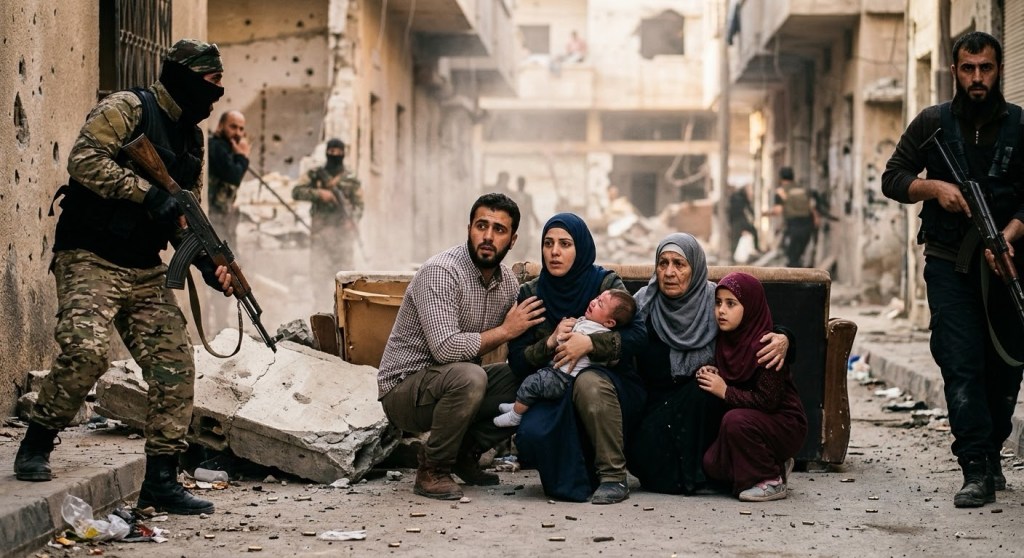
Why don’t more Muslims speak out against extremism?
Before mistaking silence for agreement, look at who pays the highest price for terror—and who pays for speaking out.
Studies show that roughly 85% to 90% of global victims of Islamist violence are Muslims themselves. Yet public opposition carries devastating personal consequences.
Egyptian activist Dalia Ziada fled into exile after condemning Hamas.
U.S. Army veteran Mansoor Hussain Laghari and Imam Mohammad Tawhidi have faced relentless death threats.
Mosab Hassan Yousef (Son of Hamas) sought asylum after his opposition put a target on his back.
Others paid with their lives—such as Pakistani cleric Sarfraz Naeemi, assassinated after issuing decrees against suicide bombings.
For many Muslims, who do not in any way condone terrorism, silence is not consent; it is survival.
While formal fatwas condemning terrorism already exist, extremist groups simply ignore them.
How do they get away with it?
Simple: Politically, hatred of Israel (specifically and as a mask for antisemitism) deflects public anger away from corruption, economic failure, and internal dissent—manipulating genuine public sympathy for Palestinians into an existential hatred that shelters militant proxies.
Critics often claim that Israeli military actions are the primary driver of radicalization. Yet this ignores the fundamental chicken-and-egg dynamic: Israel’s defense measures and crackdowns exist to neutralize terror threats that regional governments actively fuel, harbor, or ignore.
If regional states refuse to shelter extremists and abandon the rhetoric of eliminating Israel, the need for Israeli security crackdowns collapses.
Similarly, quiet, behind-the-scenes security cooperation between Arab states and Israel is no longer enough.
Managing public rage while depending on Israeli intelligence creates a dangerous hypocrisy that leaves both Israelis and Muslims paying the price in blood.
Regional powers do not have to endorse every Israeli policy, but they must stop weaponizing anti-Zionism for domestic control.
Only when governments treat terror groups as the existential threat they truly are can safety and stability take root across the region.
AI image


You must be logged in to post a comment.