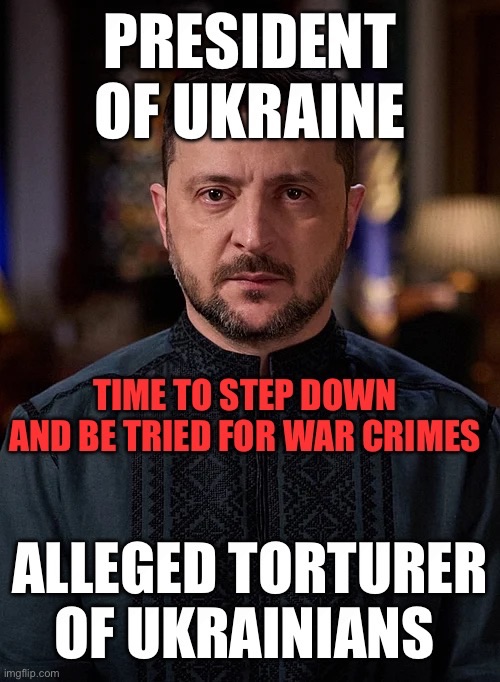
From the first weeks of the war with Russia in 2022, military-age men were barred from leaving the Ukraine. Coercive recruitment began immediately. Contemporary accounts from Mariupol and other frontline areas alleged that Azov and other Ukrainian units blocked exits, treated civilians as human shields, and used force against those attempting to leave. That pattern did not fade. It hardened. “Busification”—the practice of Territorial Recruitment Center officers stopping military-age men in public, detaining them on the spot, and loading them into vans or buses for forced conscription—has become a defining feature of the system, alongside violence against recruits and officers, high rates of unauthorized absence, and cases of recruitment officials investigated or detained for abuse, unlawful detention, or corruption. Temporary holding sites for newly mobilized men and those who went AWOL generate repeated public anger. One National Guard facility near Kyiv in early November 2026 triggered protests after social-media claims of mistreatment. Authorities conceded injuries among some of the men held there, opened investigations, and admitted that similar temporary sites exist because permanent facilities are insufficient. They continue to deny any network of secret torture chambers.
Whenever these reports surface, the standard response is to brand them Russian propaganda. That label is not analysis. It is a shield. It does not weigh evidence; it pre-emptively nullifies it. It treats documentation of Ukrainian coercion as illegitimate by definition, converts scrutiny into treasonous messaging, and protects state practice by making the act of looking itself suspect. Early in the war Zelensky’s government shut down independent and opposition television channels and imposed a single wartime information policy. Martial law has continued to restrict independent media, opposition parties, and critical speech. The Myrotvorets website maintains a public list of “enemies of Ukraine,” publishing personal data of journalists, activists, politicians, and others it deems threats; the list has drawn international criticism for doxxing and has included controversial entries. During the Biden administration, the FBI received tips and account lists from Ukrainian intelligence (SBU) and passed them to social-media platforms as alleged disinformation, resulting in the flagging and removal of American account. Factual posts critical of the official narrative were removed from LinkedIn. American commentator Gonzalo Lira, arrested in Ukraine on charges related to justifying Russian aggression, died in custody in January 2024. Anyone who talks faces treason charges. Coercive recruitment that produces credible reports of excess, and state measures—domestic and transnational—that punish those who document it, operate together. This is why many call for Zelensky to step down and face charges of war crimes against his own people.


You must be logged in to post a comment.